
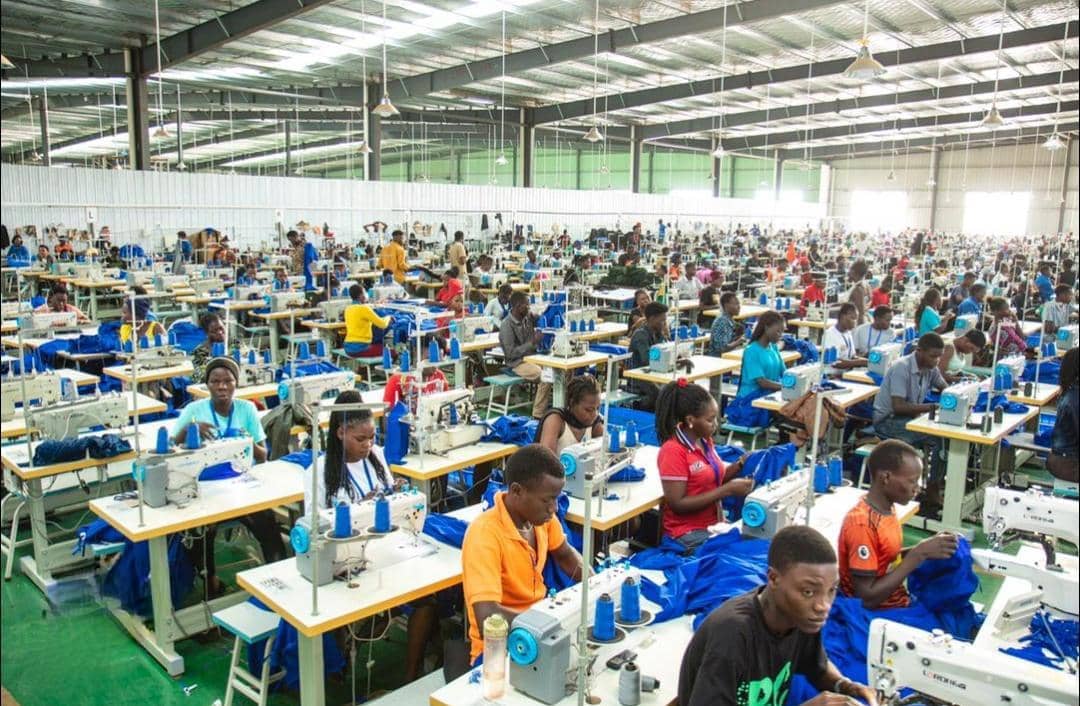
As Uganda prepares to mark International Labour Day in Buikwe District, workers from different sectors have highlighted persistent challenges affecting their livelihoods, with low pay and workplace safety emerging as key concerns.
While many workers acknowledge government efforts in job creation, they say conditions of service remain a major obstacle to productivity and wellbeing.
A public civil servant who requested anonymity said employment has helped sustain families but stressed that working conditions remain difficult.
“We are grateful for the jobs we have because they have helped us sustain our families and build our lives,” he said.
“But the conditions under which we work and the level of pay we receive make it hard for us to perform at our best.”
He added that improving worker welfare should be central to efforts aimed at enhancing public service delivery, arguing that motivated employees deliver better results.
“When workers are supported and feel safe, they are more motivated and able to meet their targets,” he said.
In the private sector, similar concerns have been raised. Kampala businesswoman Agnes Nakamya questioned the relevance of Labour Day celebrations amid ongoing economic pressures facing workers.
“For many of us, these celebrations do not reflect our daily realities. The same issues keep coming back every year without clear solutions,” she said.
While acknowledging some government interventions such as improved urban sanitation, she argued that resources used for organising annual celebrations could be redirected to more impactful development priorities.
“Health and sanitation are important, and we appreciate those improvements, but I believe the funds used for organising events could be invested in projects that benefit more people in the long term,” she added.
International Labour Day, observed annually, is intended to recognise workers’ contributions and provide a platform for addressing labour-related concerns, including pay, safety, and working conditions.
Some stakeholders argue that meaningful progress will depend on stronger policy action to improve salaries, enforce safety standards, and ensure consistent worker welfare reforms.
“The capacity to improve worker welfare exists. What is needed is deliberate action to turn these concerns into lasting solutions,” one worker said.
As the country heads into the celebrations, many workers remain hopeful that Labour Day discussions will move beyond speeches and translate into tangible improvements in working conditions across all sectors.
